Montrose Bird Sanctuary
Birding!

An eastern kingbird perched upon a lone branch
WW2
It all started on September 1st, 1939, when Adolf Hitler would lead the Third Reich to invade Poland—once more pulling the world’s greatest powers into bloody conflict. Tanks and jet aircrafts, strategic bombings of civilian population centers to slow industrial-military complexes, concentration camps, two nuclear bombs. The world was once more plunged into turmoil.
This global conflict eventually drew to an unsettling close, with Germany once again received the short end of the stick. In the aftermath, the threat of global nuclear annihilation loomed overhead as the Soviet Union and the United States became competitors. This war, the Cold War, was characterized not by overt conflict, but political subversion, espionage, and proxy wars.
The world’s evolutionary arms race had finally produced jet aircraft. Soaring tens of thousands of feet in the sky, speeding at hundreds of miles per hour, convential anti-aircraft at the time could not compete. Fear of a strike against the homeland of the United States grew during this period of uncertainty, promptingthe U.S. Army to invest heavily in anti-aircraft missile systems, including Project Nike.
Project Nike produced the United States’ first anti-aircraft missile system capable of preying on jet aircraft by way of two-stage missiles cresting 1,000 mph. For a decade, Montrose Point was a station for these aforementioned missiles.
Site C-03, as it was called, was positioned on the peninsula jutting out into Lake Michigan. With an army barracks nearby, the missiles were tended to for nearly a decade. In order to obfuscate the explosives from the general public, the government kindly planted a row of honeysuckles. Once the site was decommissioned and the missiles were hauled away, the honeysuckles remained, as a testament to what had happened there.
Several kinds of precious birds would find themselves allured by the honeysuckle bushes. The row of bushes were nicknamed “The Magic Hedge.” In time, Site C-03 was reclaimed by the birders and was reborn as a bird sanctuary and natural preserve. The barracks were remodeled into a restaurant and the waters repurposed to a harbor. Montrose Point now serves as Illinois’ hottest birding spot—a burgeoning haven for birds and birders alike.
The Red-Winged Blackbird
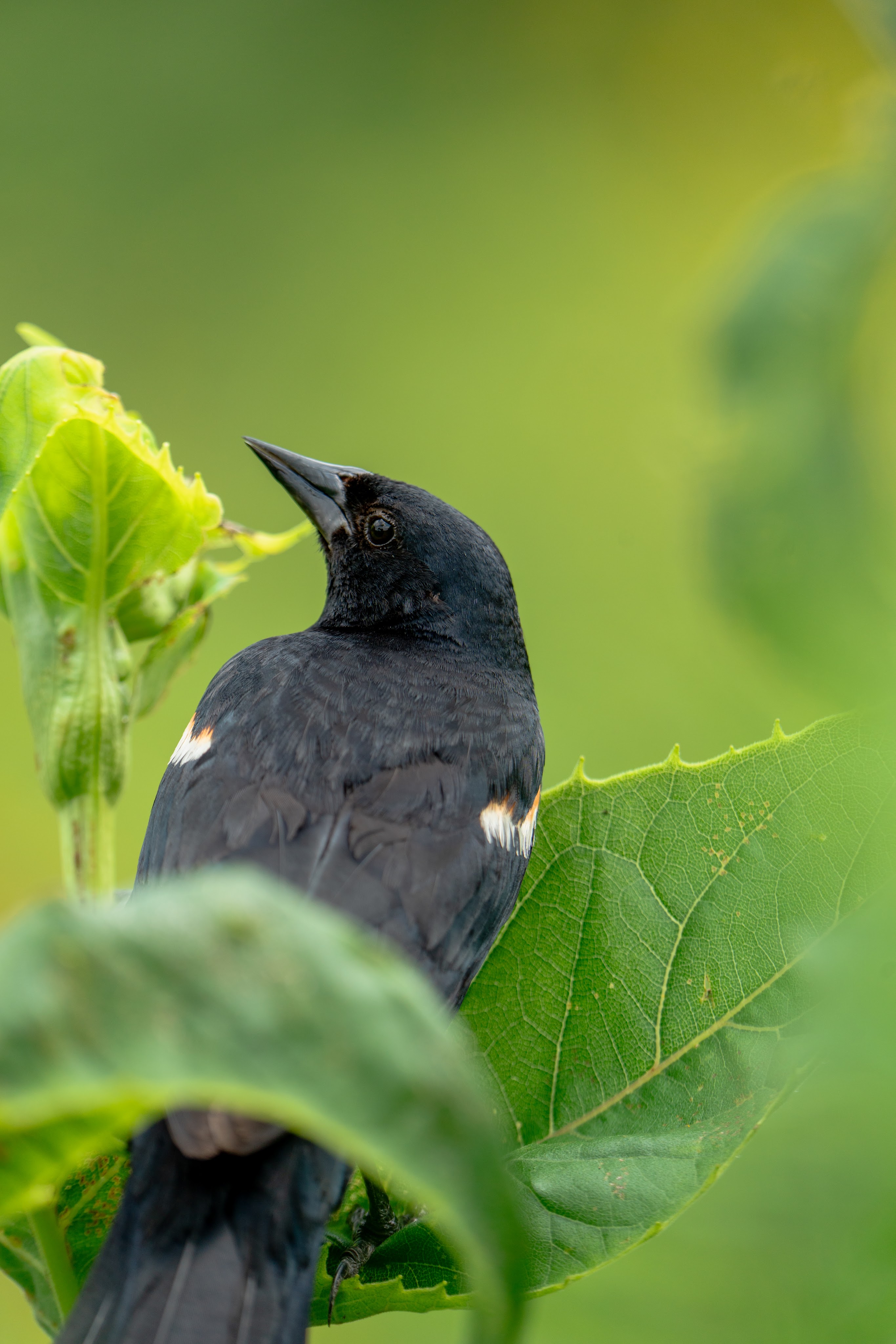
The red-winged blackbird is a common resident of Illinois. With mostly black plummage, the namesake of the bird comes from its vibrant red-feathered epaulletes, frequently hemmed with a gentle yellow trim. The males proudly belt out their call, a distinct conk-a-lee, throughout the day.
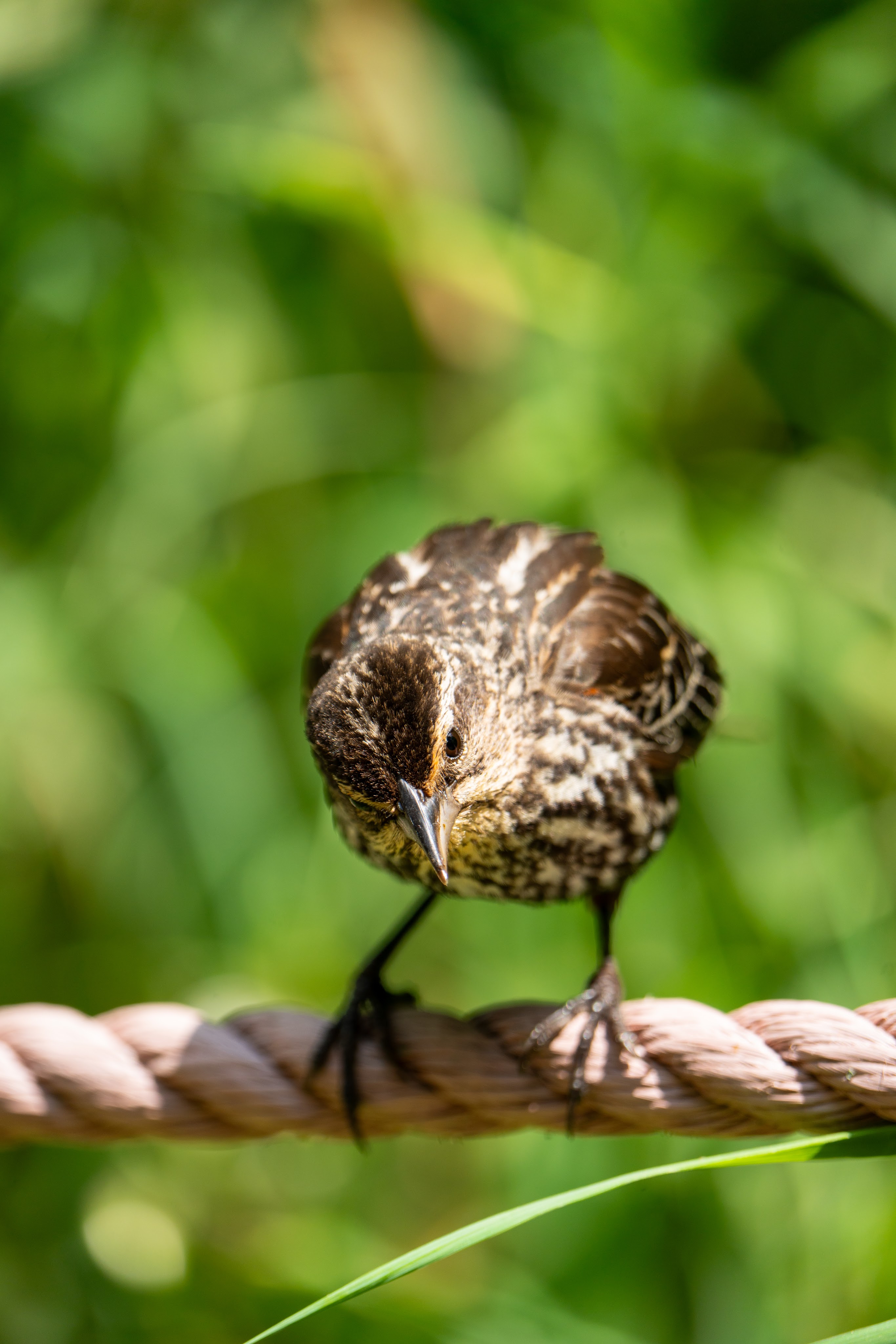
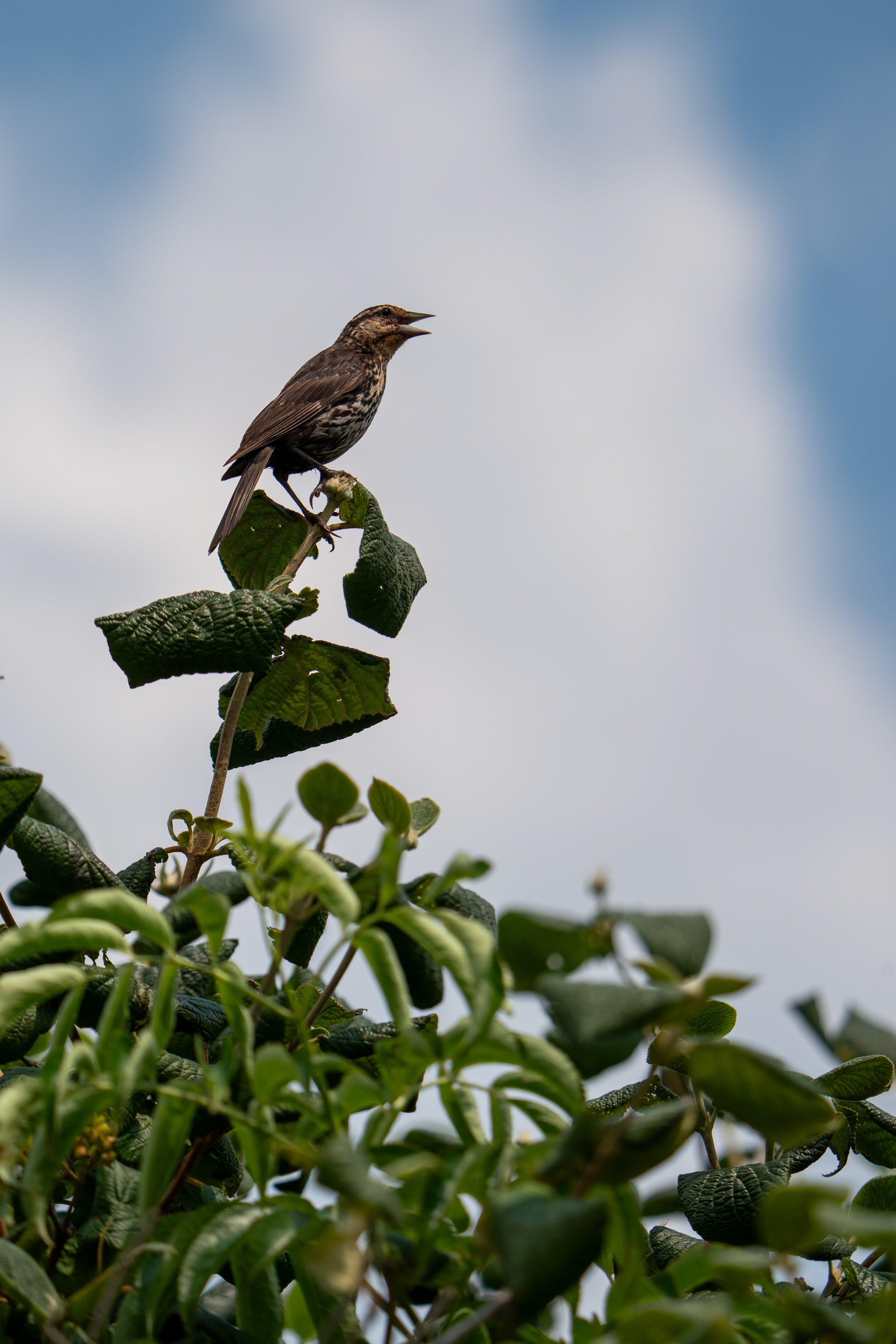
Like peafowl, blackbirds exhibit sexual dimorphism. When you see a male, you can can tell it’s a red-winged blackbird because of the red wings on the black bird. The females, however, are not really black birds, nor do they have red wings.
The males of the species are notoriously territorial, exhibiting increased aggression during mating season. They will fiercely attack other males who draw near, and can even attack larger creatures like humans!

Bunny
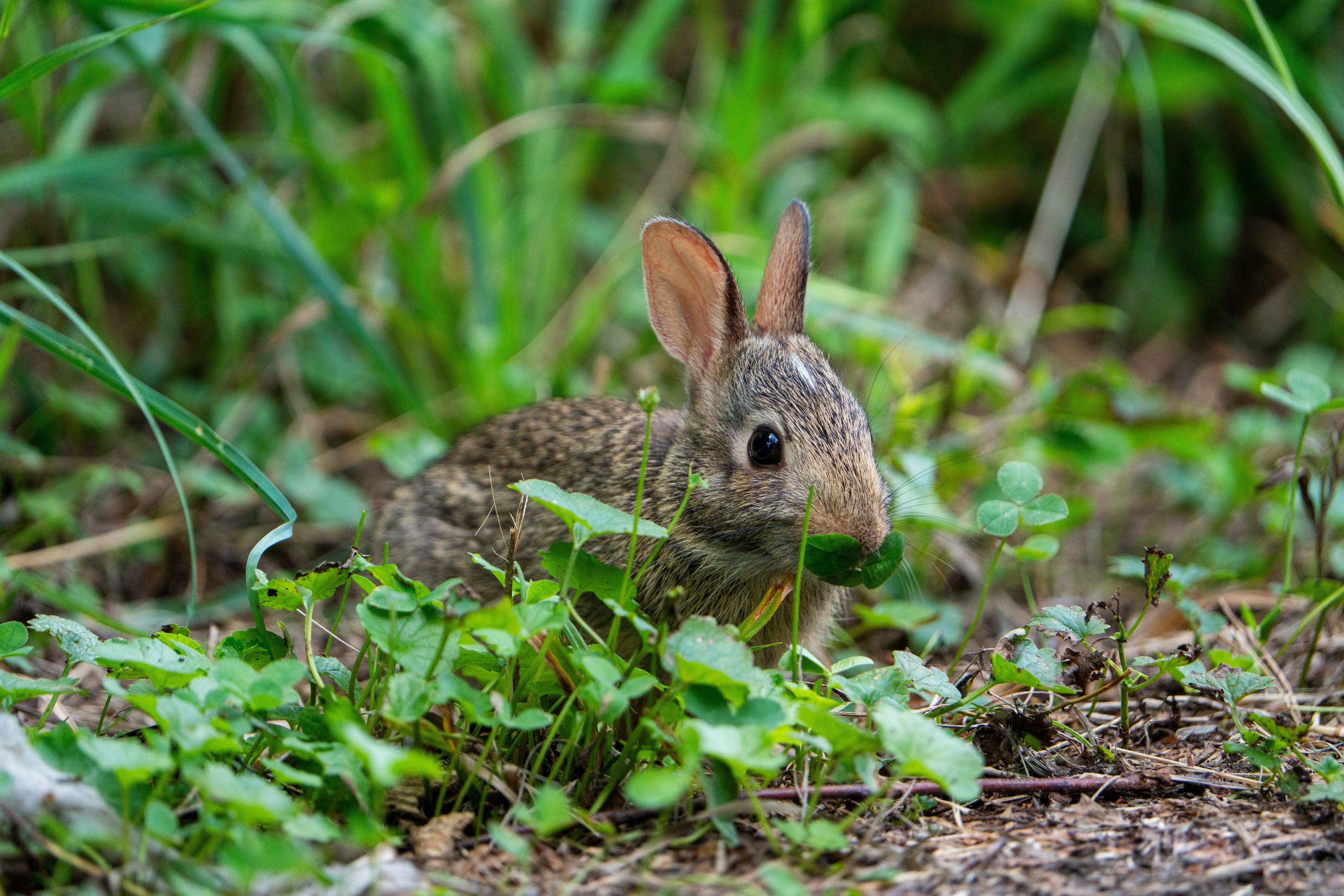
The quadripeds of Montrose Point are outrageously accustomed to humans. Squirrels, rabbits, and chipmunks frolick on the trails and in the vegetation nonchalantly, paying no heed to their bipedal overlords. The chipmunks especially do not care for personal space, often coming well within my striking distance (not that I would… but I could…).
I caught this little critter in the middle of a quick snack.


 David McCormick
Leave a reply to meticulous9345bfe7cb Cancel reply