Peafowl
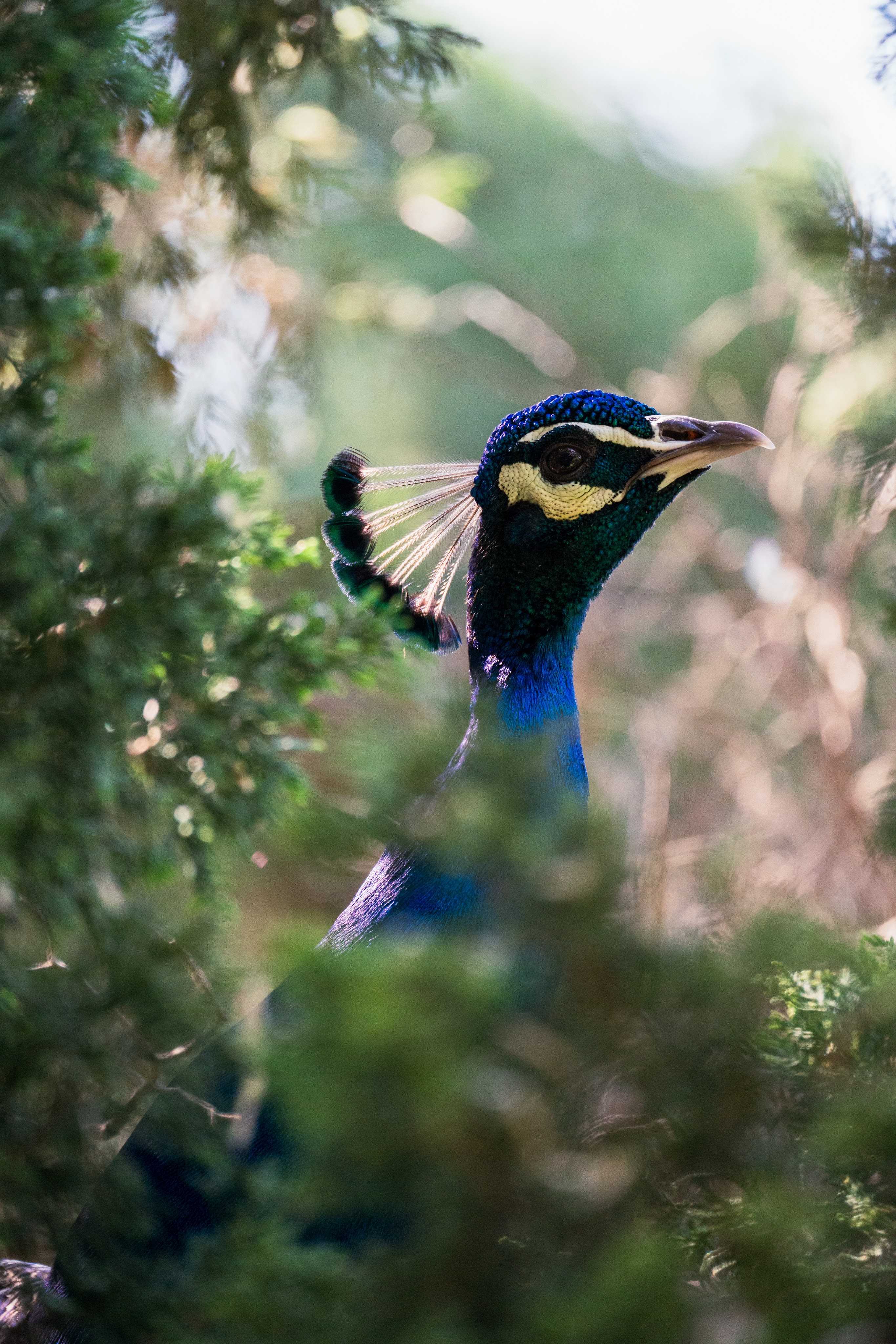
Like a tasteful wine pairing, the beautiful flora of the Los Angeles Botanic Garden are accompanied by equally beautiful fauna. Hummingbirds dart around; butterflies lazily linger on brushes; turtles bathe in the warmth of the sun; all while bees drone about in droves, carrying out their business of pollinating the multitudes of flowers. Most notable of the fauna present, however, are the flocks of peafowl.
The peafowl are omnipresent at the botanic garden. Even if you can’t see one, you are probably within earshot of one. Once one peacock begins his mating calls, the whole choir joins in a discordant yet somehow pleasing song. Fortunately, they are semi-domestic, so as long as you refrain from antagonizing them, they’re cool with you.
Peafowl are non-native to the United States. While they are undeniably beautiful birds, they are actually quite a nuisance for the neighbouring areas. Peacocks tend to take to roofs, noisily clambering around on tiles and belting out their mating calls for nearby peahens at ungodly hours. These peafowl and those likely trace their lineage all the way back to 1879, when Elias J. “Lucky” Baldwin brought peafowl to his San Gabriel ranch.
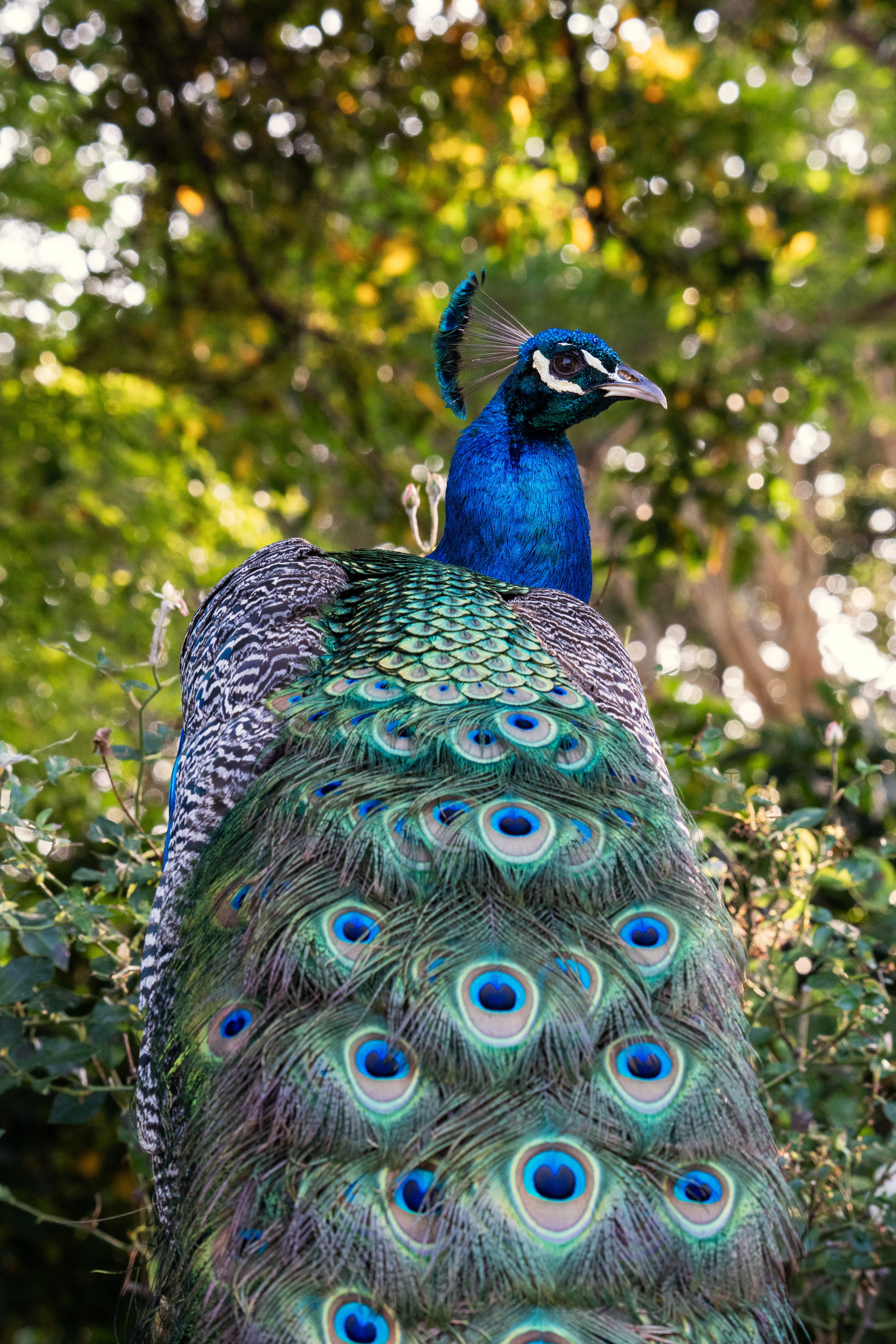
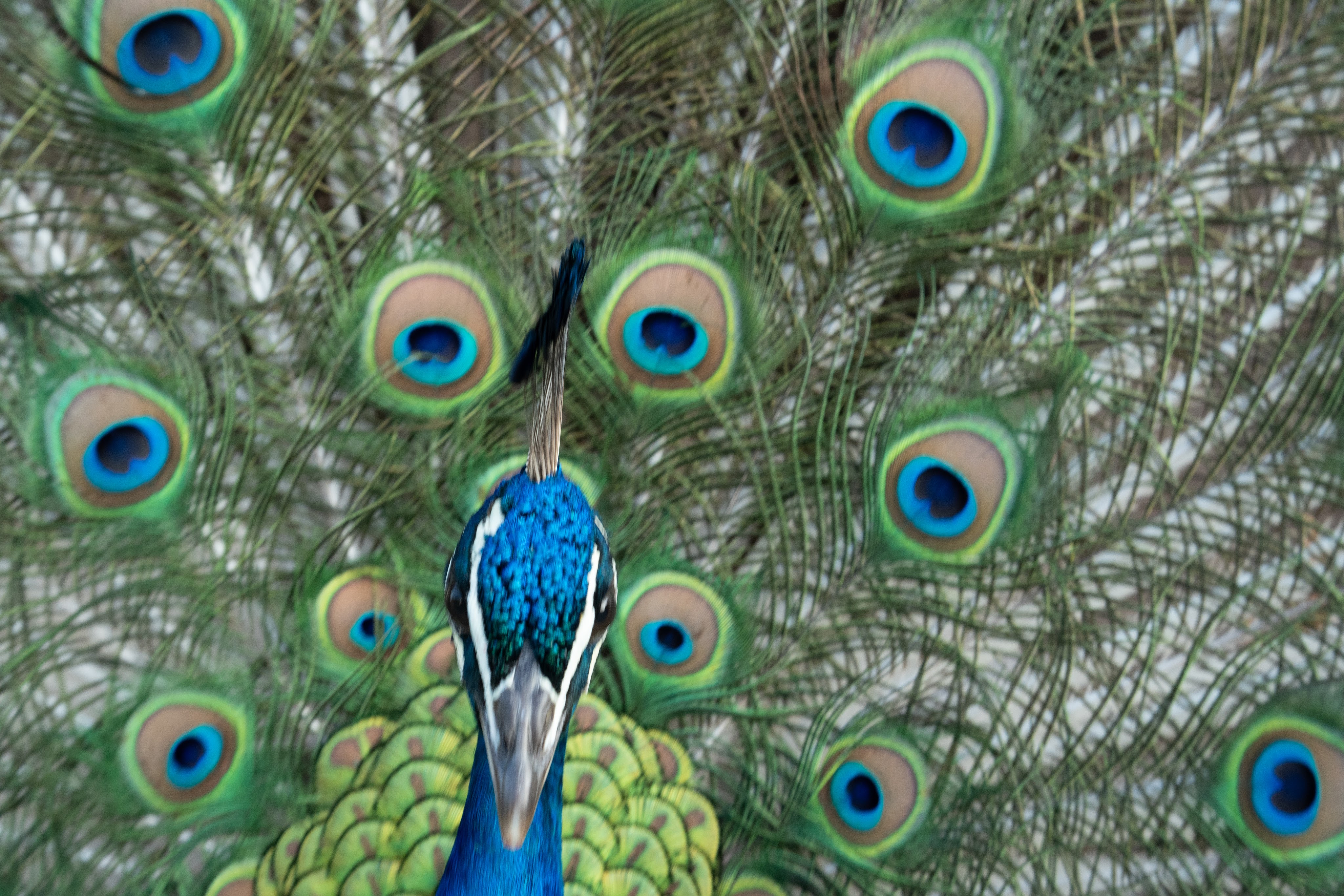
Peafowl exhibit sexual dimorphism—which is to say that the males are different from the females. The boys, aptly named peacocks, exhibit brilliant plumage, whereas the girls, called peahens, are less grandiose. Peacocks rarely show their plummage, saving the spectacle as a mating ritual to attract peahens. Although there were no peahens nearby, I was still able to… convince a peacock to flaunt his accouterment (don’t ask me how).

Please also enjoy these utterly panicked shots I took as I was charged by a peacock for the first and hopefully last time of my life.

Bugs
Apis mellifera were busy buzzing about the Botanic Garden, tasked with pollinating the blossoming flowers. All of the honey bees photographed are female. The male drones do not have stingers, nor do they forage for nectar or pollen—in fact, they do nothing save for eating, sleeping, and fornicating.
Loafing around and leeching resources from their hive for their entire life, drones are called to serve one purpose: lethal insemination. The act of reproduction happens between a drone and a queen, mid-flight. The deed typically involves the removal of the drone’s endophallus, subsequent death, and is completed by the drone gracelessly plummeting to the ground with their entrails ripped apart—thus punctuating the cycle of life for a male honey bee.
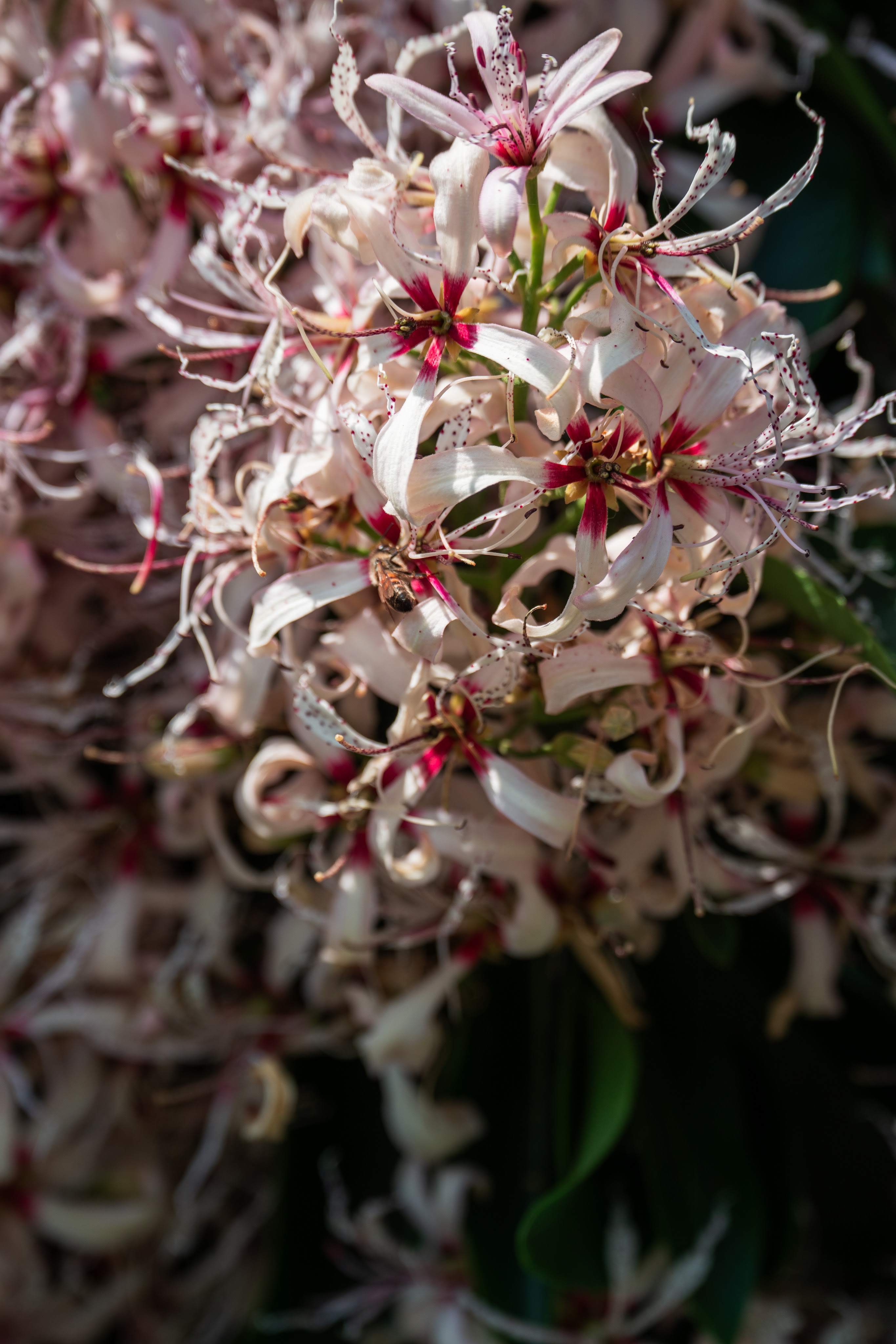


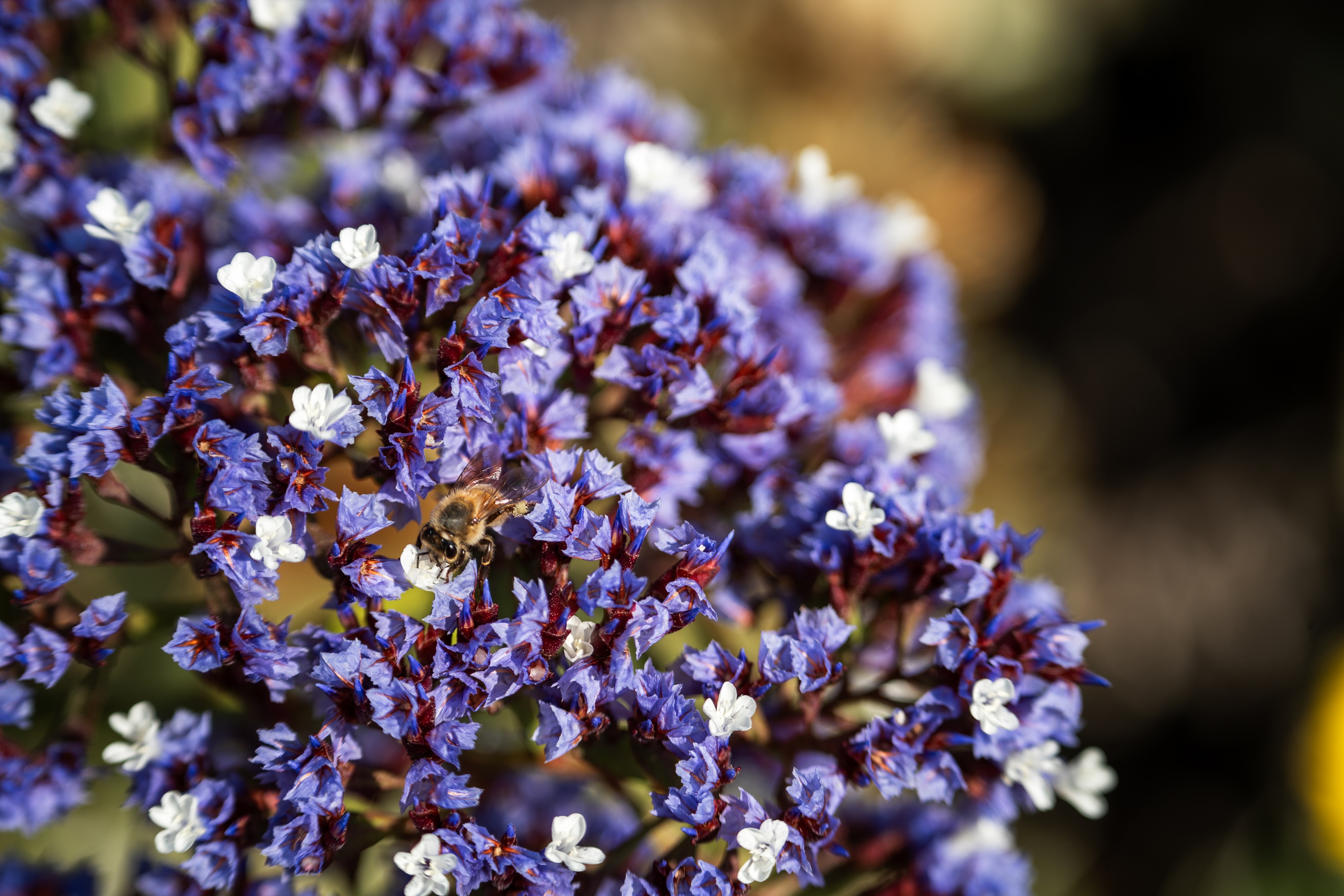
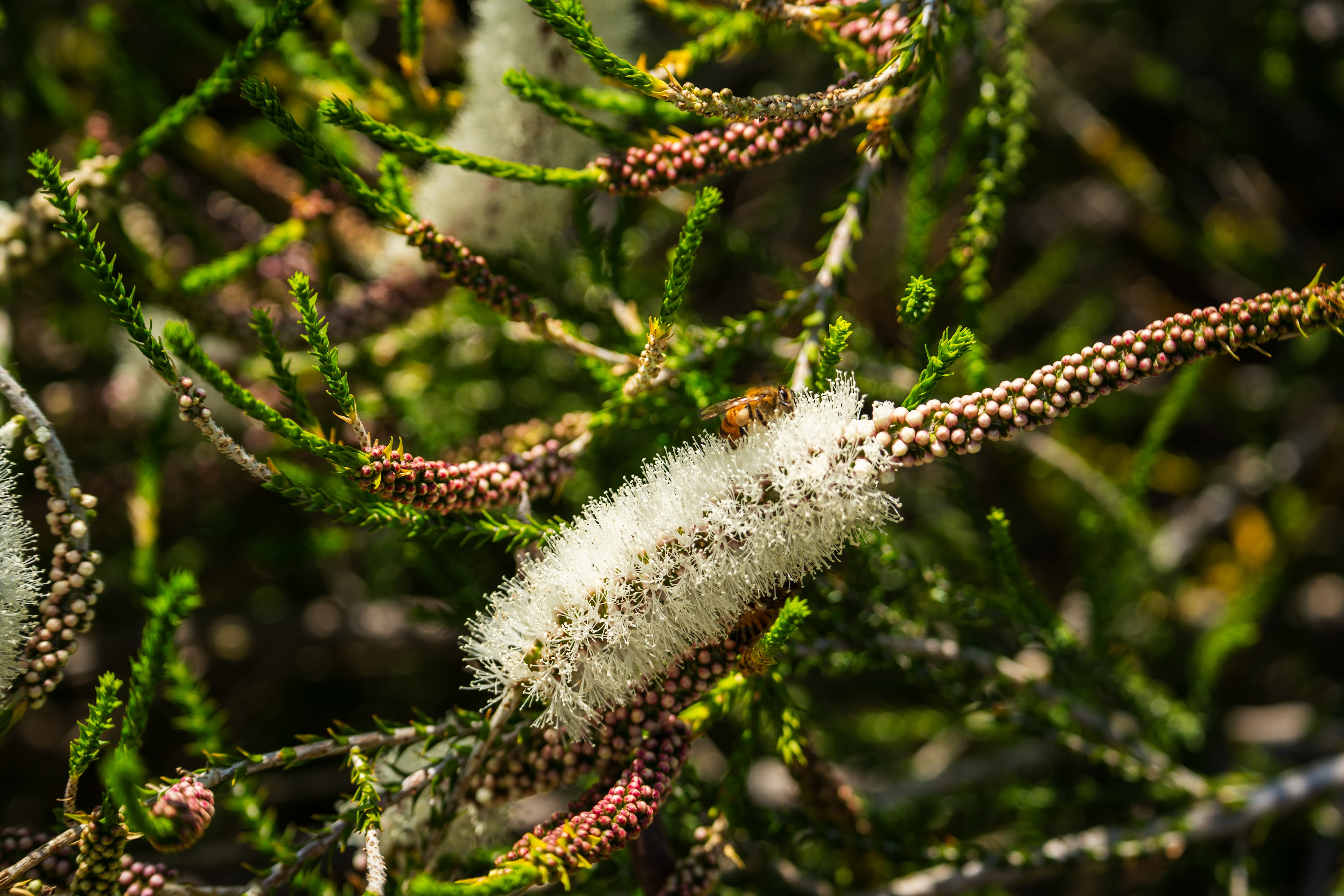
These shots were taken using the Tamron 150-500mm F/5-6.7—a telephoto lens that somehow manages to double as a decent macro lens. Its minimum focal distance is surprisingly low for a lens with such a high focal length, boasting 2 feet for wide shots and ~6 feet while zoomed in. Its relatively light weight allows you to shoot upwards from low angles easily as well.
 David McCormick
Leave a comment